BETHANY (AL-EIZARIYA) — Located on the eastern slopes of the Mount of Olives, just two miles from Jerusalem, the ancient town of Bethany holds a singular place in Christian history and sacred architecture. Mentioned repeatedly in the New Testament as the home of Mary, Martha, and Lazarus, and the site where Jesus performed one of His greatest miracles—raising Lazarus from the dead—this sacred landscape has attracted pilgrims, theologians, and master builders for over nearly two millennia.
Today, Bethany (known in Arabic as Al-Eizariya, named after Lazarus) hosts an extraordinary collection of churches, sanctuaries, and monastic compounds representing Byzantine, Crusader, and modern architectural traditions. For religious scholars, art historians, and spiritual travelers, the churches of Bethany offer a profound window into the evolution of sacred architecture in the Holy Land.
Here is an authoritative guide to the Top 10 most beautiful churches in Bethany, examining their historical foundations, architectural significance, and spiritual resonance.
1. The Franciscan Church of Saint Lazarus (Roman Catholic)
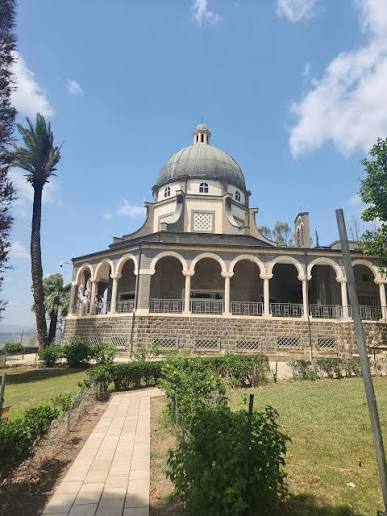
Standing directly over ancient foundations, the Franciscan Church of Saint Lazarus is the crown jewel of modern sanctuary architecture in Bethany. Designed by the renowned Italian architect Antonio Barluzzi and consecrated in 1954, the church balances ancient historical reverence with mid-century sacred design.
       [ Modern Dome / Crypt Axis ]
                  │
  ┌───────────────┴───────────────┐
  │ Mosaics of Resurrection       │  (Designed by Barluzzi, 1954)
  │ Geometric Crypt Chamber       │  (Resting on 4th-Century Foundations)
  └───────────────────────────────┘
-
Architectural Features: Constructed in the shape of a Greek cross, the church’s interior intentionally evokes the darkness of a tomb before transitioning toward the light of the central dome. The vaulting is decorated with golden and turquoise mosaics depicting the raising of Lazarus and the hospitality of Mary and Martha.
-
Historical Footprint: Excavations beneath and adjacent to Barluzzi’s structure reveal three earlier churches: a 4th-century Byzantine basilica destroyed by an earthquake, a 6th-century Justinian restoration, and a grand 12th-century Crusader abbey.
-
Expert Insights: Architectural historians frequently note Barluzzi’s choice of native limestone, which seamlessly integrates the 20th-century church with surrounding medieval stone walls.
2. The Greek Orthodox Church of Saint Lazarus
Located slightly east of the Tomb of Lazarus, the Greek Orthodox Church of Saint Lazarus is an exquisite example of Eastern Christian sanctuary design. Constructed in the mid-20th century, the church serves as an active place of daily worship and a key station during Paschal and Lazarus Saturday liturgies.
+-----------------------------------------------------------------------+
|                 GREEK ORTHODOX CHURCH OF ST. LAZARUS                  |
+-----------------------------------------------------------------------+
|  [ Iconostasis ]        |  [ Byzantine Frescoes ]  | [ Bell Tower ]   |
| Hand-Carved Woodwork    | Biblical Narratives      | Traditional Axis |
+-----------------------------------------------------------------------+
-
Architectural Highlights: Built with polished white local stone and topped with classic Eastern domes, the church interior features a magnificent carved wood iconostasis. Detailed frescoes cover the sanctuary walls, portraying scenes from the Gospel of John in vivid Byzantine iconography.
-
Archaeological Artifacts: The church enclosure contains remnants of ancient masonry, including fragments of early Christian column bases and decorative stonework from former monastic complexes.
3. The Crusader Abbey Sanctuary Ruins and Chapel
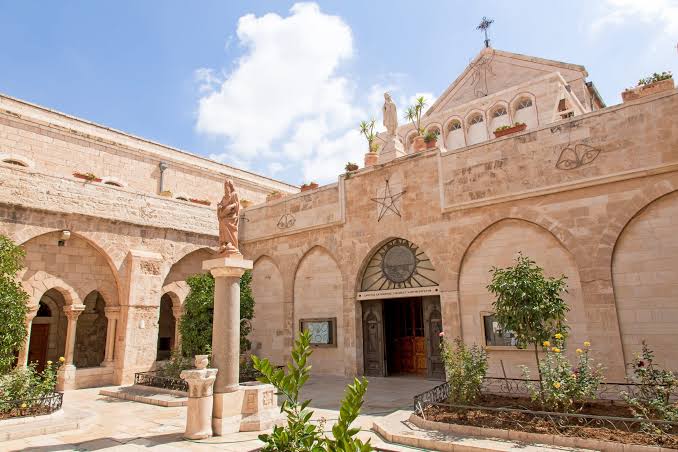
While time and history have transformed the medieval Abbey of Saint Lazarus—established by Queen Melisende of Jerusalem in the 12th century—the remaining architectural fragments and incorporated chapels represent some of the finest Romanesque stone carving in the Judean hills.
12th-Century Abbey Core ──> Defensive Tower Vaults ──> Extant Romanesque Arches
-
Historical Significance: Queen Melisende founded the Benedictine convent in 1138 to oversee the holy sites in Bethany. The complex included a fortified tower, a church, and expansive cloistered courtyards.
-
Design & Masonry: The surviving structural arches and groin-vaulted rooms showcase classical Crusader masonry techniques, featuring heavy diagonal ribs, pointed arches, and thick defensive perimeter walls designed to withstand regional conflicts during the Middle Ages.
4. The Ancient Byzantine Basilica Ruins at the Tomb Complex
Although primarily visible as an excavated archaeological sanctuary today, the ruins of the 4th-century Byzantine Basilica surrounding the Tomb of Lazarus remain an integral part of Bethany’s sacred architecture.
[ 4th-Century Basilica ] ──> Destroyed by Earthquake (~6th c.) ──> Rebuilt under Justinian
-
Mosaic Mastery: Excavations conducted by Franciscan archaeologist Father Sylvester Saller in the mid-20th century uncovered brilliant floor mosaics featuring geometric patterns, floral motifs, and Greek inscriptions.
-
Layout: The original basilica was oriented eastward with a wide atrium and three aisles separated by marble columns, establishing the liturgical axis that later builders adhered to for centuries.
5. The Mosque-Chapel Complex of Al-Eizariya (Historical Shared Sanctuary)
The sacred topography of Bethany is uniquely characterized by shared veneration across faiths. Adjacent to the historic Tomb of Lazarus sits the 16th-century Mosque of Al-Eizariya (built during the reign of Sultan Muhiuddin), constructed over former Crusader church courtyards.
-
Interfaith Heritage: Following the departure of Crusader forces, local Muslim communities preserved the memory and tomb of Lazarus (Sidi al-Azir).
-
Architectural Features: The complex incorporates historic Crusader stone piers and vaulting within its courtyard, while adding a graceful minaret that forms an iconic part of Bethany’s skyline alongside church domes.
6. The Chapel of Martha and Mary (Near the Ancient Road)
Located along the traditional pilgrim route connecting Jerusalem to Jericho, this modest sanctuary marks the site traditionally associated with Jesus’ greeting by Martha before He reached the village (John 11:20).
-
Architectural Character: Built with traditional limestone blocks, the chapel features simple barrel-vaulted ceilings, stone altars, and minimal ornamentation designed to encourage quiet reflection.
-
Pilgrimage Continuity: Historical records from early Christian travelers, such as the 4th-century Egeria, mention devotional stops along this exact pathway, making the chapel a vital historical marker.
7. The Russian Orthodox Convent and Chapel of Saint Mary Magdalene (Bethany Annex)
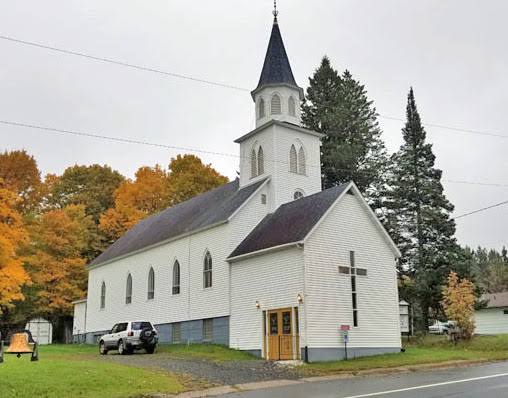
Maintained by the Russian Orthodox Church Outside Russia (ROCOR), this monastic site functions as an educational and spiritual sanctuary in Bethany.
+-----------------------------------------------------------------------+
|                    RUSSIAN ORTHODOX BETHANY ANNEX                     |
+-----------------------------------------------------------------------+
|  [ Courtyard & Gardens ]   | [ Traditional Chapel ]   | [ Boarding Sch ]|
|  Olive Trees & Courtyards  | Classic Iconography      | Community Hub   |
+-----------------------------------------------------------------------+
-
Design & Ambience: Surrounded by quiet terraced gardens and olive groves, the chapel is built according to traditional Russian ecclesiastical principles, featuring onion-shaped accents, gold-leaf iconography, and stone arcades.
-
Community Role: Beyond its architectural beauty, the complex hosts a school and hospice, continuing the ancient Bethany tradition of hospitality (xenia).
8. The Chapel of the Meeting (Bethphage Sanctuary Complex)
Situated on the border between Bethany and Bethphage along the historic procession line, this sanctuary commemorates the entry of Jesus into Jerusalem and His meeting with the sisters of Lazarus.
-
The Bethphage Stele: The interior of the sanctuary preserves a famous Crusader-era stone block (the Bethphage Stele), decorated with medieval frescoes depicting the raising of Lazarus, the Martha-Mary greeting, and the preparation of the donkey for the Entry into Jerusalem.
-
Architectural Style: Rebuilt in the late 19th century and restored in the 20th century, the structure features a fortified square tower design that complements the surrounding hillside topography.
9. The Modern Monastery Sanctuary of Saint Lazarus (Melkite Greek Catholic)
Serving the Eastern Catholic community in the region, the Melkite Greek Catholic Church of Saint Lazarus combines Byzantine liturgical traditions with Palestinian limestone architectural elements.
-
Interior Decoration: The sanctuary features bright frescoes executed in the Eastern style, combined with modern stained-glass windows depicting the Gospel narratives of Bethany.
-
Acoustic Engineering: Constructed with vaulted stone ceilings, the nave offers exceptional acoustics specifically designed for Byzantine chanting and choral liturgies.
10. The Historic Crypt Chapel of the Tomb of Lazarus
While technically an underground sanctuary, the subterranean Crypt Chapel beneath the modern streets of Al-Eizariya represents the ancient spiritual heart around which all other Bethany churches were constructed.
Street Level Access (24 Steps) ──> Antechamber (Prayer Space) ──> Burial Vault
-
Architectural Layout: Reached via a steep flight of 24 stone steps cut into the natural bedrock during the Ottoman period, the inner tomb vault is a low-ceilinged chamber carved directly into limestone.
-
Spiritual Continuity: The tomb vault contains rock-cut benches where early Christians celebrated Eucharist services, making it one of the oldest active continuous Christian pilgrimage chambers in the Holy Land.
Comparative Overview of Bethany’s Sacred Architecture
| Sanctuary / Church | Primary Era / Origin | Key Architectural Feature | Liturgical Tradition |
| Franciscan St. Lazarus | 1954 (Antonio Barluzzi) | Greek cross layout, crypt vaults, mosaics | Roman Catholic |
| Greek Orthodox St. Lazarus | Mid-20th Century | Carved wood iconostasis, classic domes | Greek Orthodox |
| Crusader Abbey Ruins | 1138 (Queen Melisende) | Romanesque arches, rib vaulting | Historical Benedictine |
| Byzantine Basilica Ruins | 4th–6th Century | Floor mosaics, triple-aisle basilica | Early Christian |
| Al-Eizariya Complex | 16th Century | Integrated Crusader vaults & minaret | Islamic / Shared Site |
| Chapel of Martha & Mary | Historic Marker | Barrel vaults, minimalist limestone | Ecumenical / Roman Catholic |
| Russian Orthodox Annex | Early 20th Century | Traditional iconostasis, terraced grounds | Russian Orthodox |
| Bethphage Chapel | 19th–20th Century | Crusader Stele with Gospel frescoes | Roman Catholic |
| Melkite St. Lazarus | 20th Century | Vaulted acoustic design, modern glass | Melkite Greek Catholic |
| Crypt Chapel of the Tomb | Roman / Early Christian | Bedrock chamber, rock-cut burial altar | Universal Christian |
Preserving Bethany’s Architectural Legacy
The churches and sanctuaries of Bethany represent a living tapestry of faith, art, and endurance. From 4th-century Byzantine mosaic floors to the mid-20th-century architectural vision of Antonio Barluzzi, these ten sacred sites continue to draw researchers, pilgrims, and visitors from across the globe.
