
Buildings and furniture history Sacred Church Architecture & Modern Design Evolution
Understanding Buildings and furniture history offers a captivating window into human cultural evolution, technical advancement, and religious devotion. From ancient Roman basilicas to high-Gothic cathedrals and contemporary sacred spaces, architectural structures and their interior furnishings have continuously reflected societal values, artistic expression, and theological shifts.
This comprehensive guide from pgslot777 explores the deep relationship between structural development, Christian church design, historical furniture craftsmanship, and how these traditions shape modern spatial aesthetics.
The Foundations of Buildings and Furniture History
The timeline of Buildings and furniture history is inextricably linked with the evolution of material engineering and sacred spaces. In ancient civilizations, furniture was strictly functional, but as architectural techniques evolved, interior craftsmanship began to echo structural grandeur.
+-------------------------------------------------------------------------+
|                  HISTORICAL EVOLUTION OF ARCHITECTURE                   |
+-------------------------------------------------------------------------+
| [ Early Christian ]   | [ Romanesque Era ]    | [ Gothic Renaissance ]  |
| Simple Basilicas      | Thick Masonry Walls   | Pointed Arches & Vaults |
| Basic Wooden Benches  | Heavy Carved Stone    | Intricate Altars/Pews   |
+-------------------------------------------------------------------------+
Key Epochs in Structural Development:
-
Early Christian & Byzantine Period: Characterized by adapted Roman basilica layouts, central domes, and simple wooden furnishings designed to keep focus on sacred rituals.
-
Romanesque Era (10th–12th Century): Defined by heavy masonry, thick walls, and sturdy timber furniture adorned with geometric carvings and iron fittings.
-
Gothic Mastery (12th–16th Century): Introduced flying buttresses, ribbed vaults, pointed arches, and highly elaborate, soaring altar designs.
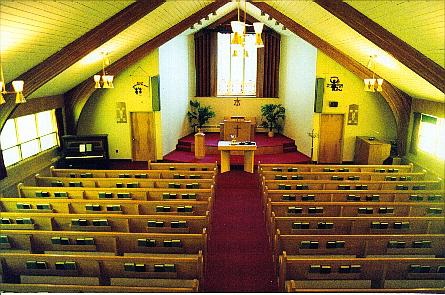
Christian Church Architecture and Ecclesiastical News
In news and academic updates surrounding sacred architecture, Christian churches remain vital symbols of historical preservation and spiritual identity. Recent restoration reports and architectural studies highlight how cathedrals serve as living museums of structural engineering.
       [ Soaring Vaulted Ceilings ]
                   │
                   ▼
       [ Stained Glass Light Panels ]
                   │
                   ▼
       [ Hand-Carved Choir Stalls & Pews ]
Architectural Innovations in Sacred Structures
-
Light as a Theological Element: The introduction of expansive stained glass windows during the Gothic period transformed church interiors into radiant spaces representing divine presence.
-
Acoustic and Spatial Design: High ceilings and stone altars were engineered specifically to amplify choral liturgy and acoustic resonance long before modern amplification existed.
-
Preservation Bulletins: Current architectural news frequently emphasizes the restoration of centuries-old timber roof trusses and historic altar furniture using traditional woodworking techniques alongside modern digital imaging.
The Evolution of Sacred Furniture and Interior Craftsmanship
Ecclesiastical furnishings represent some of the finest surviving examples in Buildings and furniture history. Unlike domestic items, church furniture was built to endure centuries of continuous use while conveying spiritual symbolism.
| Furniture Type | Historical Era | Key Materials | Architectural Function |
| Choir Stalls | Gothic / Renaissance | Oak, Walnut, Mahogany | Dedicated seating for clergy with intricate figurative carvings |
| Pulpit (Ambo) | Medieval to Baroque | Carved Stone, Hardwood | Elevated platform for sermon delivery and scripture reading |
| Communion Rails | Counter-Reformation | Wrought Iron, Marble, Timber | Boundary separating the nave from the sacred sanctuary altar |
| Cathedra | Early Christian to Present | Marble, Polished Hardwood | Official bishop’s throne symbolizing spiritual authority |
Analytical Comparison Historic Craftsmanship vs. Modern Platform Engineering
Just as historical builders carefully calculated weight distribution and acoustics in cathedral construction, modern digital platforms like pgslot777 prioritize technical precision, system uptime, and interface architecture.
Gothic Cathedral Architecture             Modern Platform Architecture
[ Load-Bearing Buttresses ] ------------> [ High-Availability Cloud Servers ]
[ Intricate Altar Detailing ] -----------> [ Responsive HTML5 Interface ]
[ Centuries of Durability ] ------------> [ Certified RNG & SSL Protocols ]
Principles Shared Across Eras:
-
Structural Integrity: Whether constructing an oak timber choir stall or building a high-traffic digital platform, stability and reliability form the core foundation.
-
Proportional Aesthetics: Just as classical furniture followed mathematical proportions (such as the Golden Ratio), digital user experience depends on clean, intuitive visual hierarchy.
Frequently Asked Questions (FAQ)
How did Christian theology influence furniture design?
Christian theology emphasized humility, reverence, and symbolism, leading to sturdy, upright seating like church pews and highly detailed altars depicting biblical narratives through wood and stone carving.
Why is Gothic church architecture significant in furniture history?
The Gothic era introduced advanced joinery techniques (such as mortise-and-tenon joints and paneling), allowing furniture makers to construct lighter, taller, and more decorative church fixtures matching cathedral arches.
How are historical church buildings preserved today?
Preservation teams combine traditional artisan techniques (such as hand-carving and lime plastering) with modern non-invasive diagnostic tools like 3D laser scanning to restore aging stone walls, stained glass, and historic timber furniture.
Conclusion
The study of Buildings and furniture history reveals how human artistry and technical innovation merge across centuries. From early Christian basilicas to majestic cathedrals and intricate ecclesiastical furnishings, these sacred spaces remain testament to human creativity and structural mastery. Today, understanding these historical foundations enriches our appreciation for both classical physical architecture and modern digital design frameworks.